
How to choose the right coloring book can feel overwhelming, whether you’re buying for a toddler, a stressed adult, or a creative teen. With thousands of coloring books available—from simple kids’ designs to intricate adult patterns—choosing the wrong one often leads to frustration instead of enjoyment. This complete guide will help you confidently choose the perfect coloring book based on age, skill level, purpose, and artistic goals.
This comprehensive guide breaks down everything you need to know — from skill level and age appropriateness to therapeutic benefits and artistic goals — so you can pick the perfect coloring book with confidence.
Why Choosing the Right Coloring Book Matters
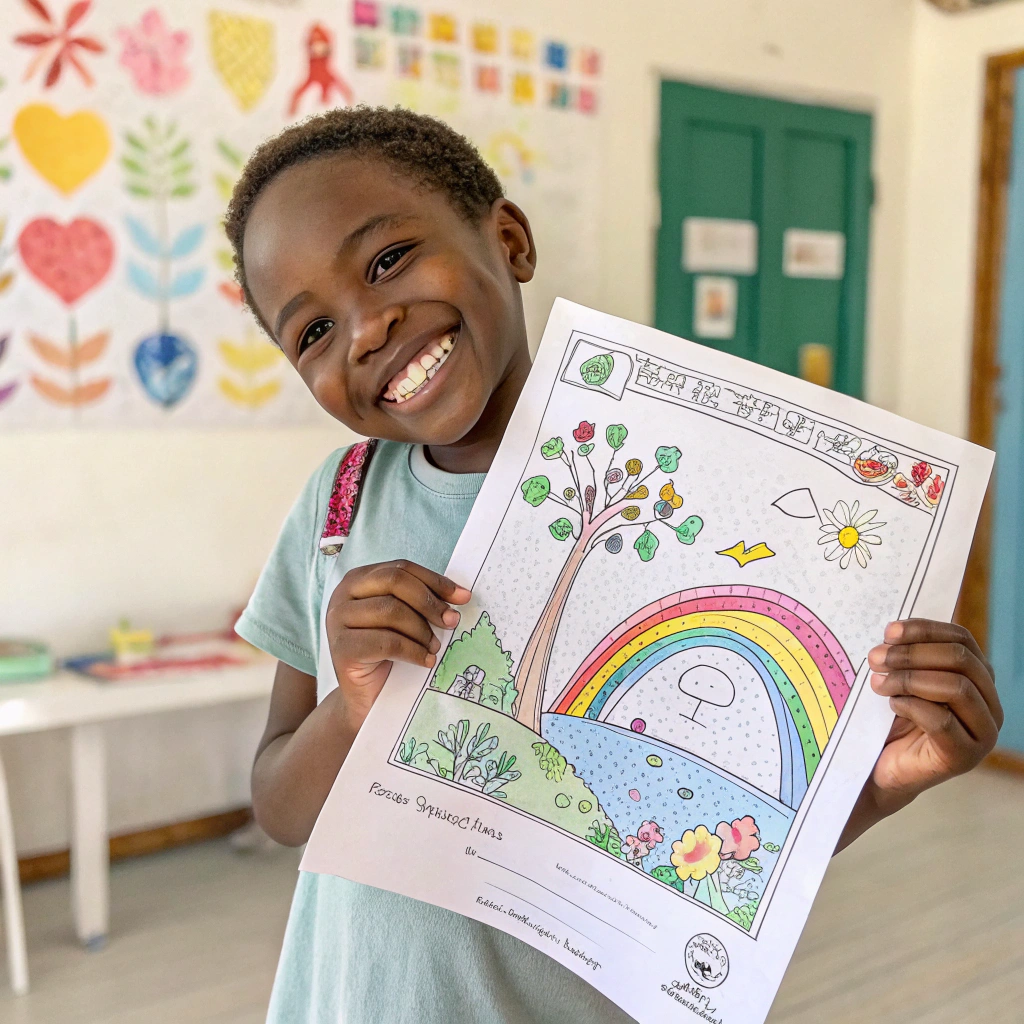
Coloring is far more than a childhood pastime. Research in art therapy and developmental psychology consistently shows that coloring supports fine motor development in children, reduces anxiety and cortisol levels in adults, and promotes focused attention across all age groups. But the benefits only materialize when the book matches the person using it.
Give an intricate, detailed coloring book to a five-year-old and you’ll get frustration, not creativity. Hand a simple cartoon book to a detail-oriented adult and the lack of challenge may leave them disengaged. Matching the right book to the right person — based on skill, purpose, and interest — is the key to unlocking coloring’s full potential.
Understanding how to choose the right coloring book also means choosing the right coloring tools, and many colorists prefer professional-grade colored pencils for smoother coverage and better color layering.
Step 1: Match the Book to the Skill Level
Beginner-Friendly Coloring Books
Beginners — whether young children or adults picking up coloring for the first time — need books that invite participation rather than intimidate. Look for:
- Large, open spaces with bold outlines that are easy to stay within
- Simple shapes and recognizable subjects (animals, vehicles, food, nature)
- Minimal background detail so the focus remains on the primary subject
- Thick outlines that are visible even when coloring quickly or imprecisely
- Single-subject pages rather than complex, layered compositions
For children ages 2–5, look specifically for books marketed for toddlers and preschoolers. These typically feature oversized images, rounded shapes, and familiar subjects like farm animals or basic vehicles. Pages should be thick enough to withstand crayons and markers without bleed-through.
For adult beginners, “easy adult coloring books” are now a distinct category. These feature slightly more detail than children’s books but avoid the micro-level intricacy of advanced designs — a good on-ramp for adults who want a meditative coloring experience without the pressure of precision.
Intermediate Coloring Books
Once a colorist has developed comfort and confidence, they’re ready for books that offer more nuance and visual interest. Intermediate books typically include:
- Medium-sized detail areas that reward careful work but aren’t overwhelming
- Pattern-based designs such as florals, geometric shapes, and folk art motifs
- Layered backgrounds that create depth and visual complexity
- Varied line weights that suggest shading and dimension
- Multi-subject compositions where different elements interact on the page
This category is ideal for children ages 6–12 and adults who have been coloring casually for a few months. Popular intermediate themes include nature scenes, fantasy landscapes, animals with textured fur or feathers, and travel-inspired imagery.
Advanced Coloring Books
Advanced coloring books are designed for dedicated enthusiasts who want a genuine artistic challenge. Features include:
- Highly intricate patterns with hundreds of tiny sections
- Detailed linework requiring fine-tip tools like colored pencils or fine-point markers
- Complex shading opportunities that reward blending and layering techniques
- Full-page compositions with no “rest areas” — every square inch is detailed
- Photorealistic or architectural subjects that demand precision
Examples include highly detailed city maps, elaborate botanical illustrations, Celtic knotwork, and the renowned Johanna Basford garden series. These books are best paired with quality colored pencils or fine-tipped alcohol markers, as cheap crayons won’t do justice to the level of detail involved.
Step 2: Consider Age and Developmental Stage
Toddlers and Preschoolers (Ages 2–5)
At this stage, the primary goal is sensory exploration and early motor skill development. The best coloring books for toddlers feature:
- Oversized line drawings with bold, thick borders
- Familiar, high-contrast subjects
- Washable-friendly paper (since accidents happen)
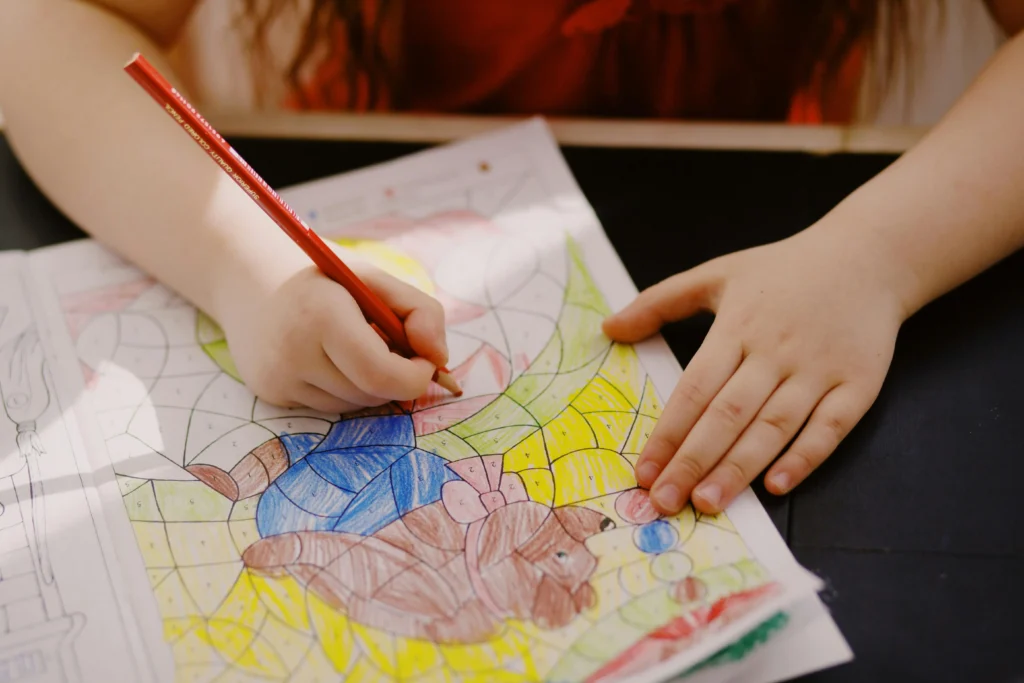
- Activity crossovers like dot-to-dot, simple mazes, and color-by-number
Recommended types: Jumbo activity books, bath coloring books, dry-erase reusable coloring books
School-Age Children (Ages 6–12)
Children in this age group are developing their fine motor skills rapidly and can handle more intricate work. They also benefit enormously from thematic content that reinforces learning.
- Look for books that combine coloring with educational content (maps, history, science)
- Licensed character books featuring their favorite shows or movies maintain high engagement
- Creative story-based books where they can color “their own” narrative
- Books with facts or prompts on each page add a layer of interactive learning
Recommended types: Educational activity books, licensed character books, fantasy/adventure coloring books
Tweens and Teens (Ages 12–18)
This group often engages with coloring as a stress-relief tool or a creative outlet. They tend to prefer:
- Aesthetic themes like anime, fashion, gothic art, or pop culture
- Journaling-coloring hybrids that combine writing prompts with illustration
- Intricate pattern books that are satisfying to complete
- Books with a stylistic identity that reflects their own interests
Recommended types: Manga coloring books, fashion illustration books, mindfulness coloring journals
Adults
Adult coloring has experienced a sustained boom since the mid-2010s, and for good reason — it works. Adults benefit most from books tailored to their personal interests and intended use, whether that’s relaxation, artistic practice, or nostalgia.
Step 3: Choose by Purpose
Coloring Books for Education
Educational coloring books are purpose-built to reinforce academic concepts through visual engagement. The act of coloring helps anchor information in memory — a phenomenon sometimes called “the coloring effect” in educational research.
Top categories include:
- Science and nature: Anatomy, botany, zoology, and astronomy books that label and illustrate biological or physical systems
- History and geography: Maps, historical figures, and cultural heritage books
- Language learning: Vocabulary-building books where children color and label images in a new language
- Math foundations: Color-by-number and pattern books that reinforce counting and sequencing
When choosing for education, prioritize books that include labels, captions, or brief facts alongside the illustrations, turning each page into a mini-lesson.
Coloring Books for Relaxation and Stress Relief
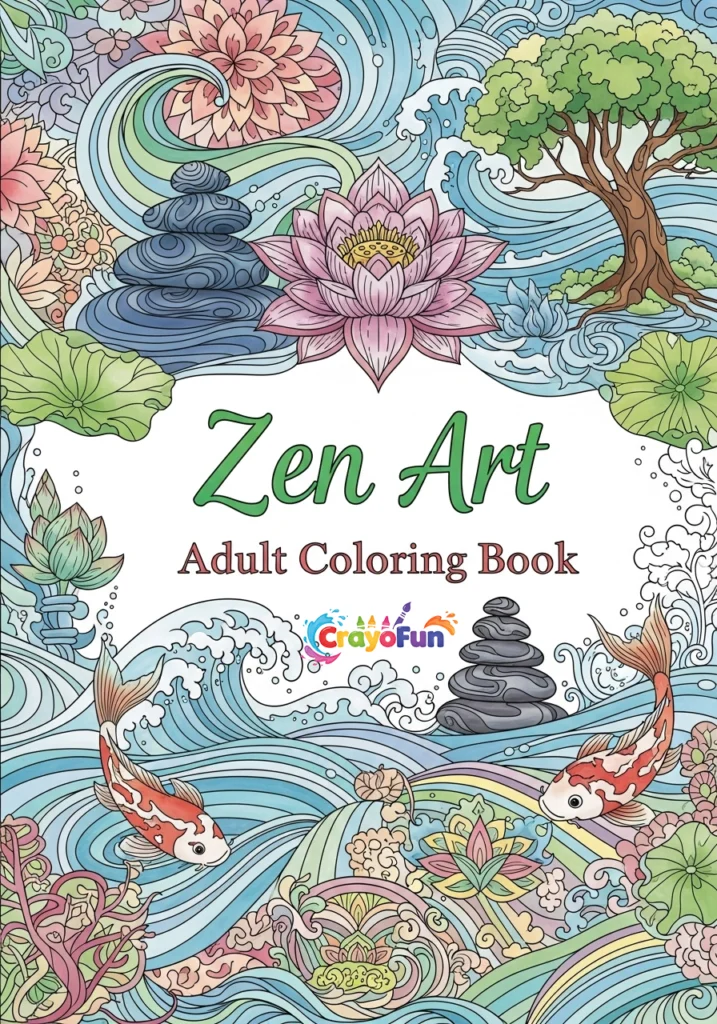
The therapeutic value of coloring for adults is well-documented. The focused, repetitive nature of coloring activates the same neural pathways associated with meditation, quieting the prefrontal cortex’s anxiety-generating activity and promoting a state of flow.
For maximum relaxation, look for:
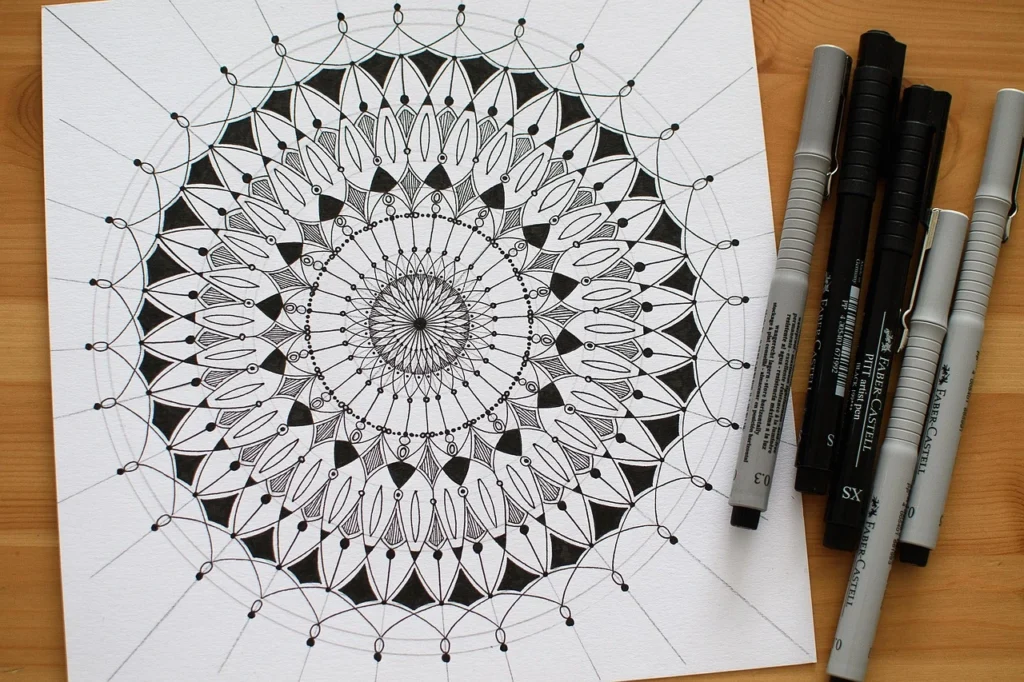
- Mandala and geometric pattern books — their symmetrical, repetitive structure is particularly calming
- Nature-inspired designs like forests, ocean waves, and botanical gardens
- Mindfulness coloring journals that pair illustrations with reflective prompts
- Abstract pattern books that don’t require precision or represent anything “real”
- Books with inspirational quotes integrated into the designs
Paper quality matters more here than in other categories. Thick, bleed-resistant paper allows use of alcohol-based markers and watercolor pencils — tools that produce particularly satisfying, meditative results.
Coloring Books for Creativity and Artistic Development
For those who want to use coloring as a genuine artistic practice, the book becomes a canvas. These users need:
- High-quality paper (90gsm or above) that can handle layering, blending, and wet media
- Complex linework that leaves room for creative color interpretation
- Black-and-white photographs converted to line art for a photorealistic coloring challenge
- Partially illustrated books (like Kerby Rosanes’s “Imagimorphia”) that invite the colorist to complete unfinished designs
- Books paired with instruction that teach color theory, shading techniques, or blending methods
Artistic colorists often treat their finished pages as standalone artworks — framing them, sharing them online, or compiling them into personal portfolios.
Step 4: Think About Tools and Compatibility
The best coloring book in the world can be ruined by the wrong tools — or vice versa. Before purchasing, consider what coloring instruments will be used:
- Crayons: Best paired with books featuring thick lines and large spaces; paper weight is less critical
- Colored pencils: Work well in most books; ideal for intermediate to advanced detail work; look for 60–80gsm paper minimum
- Markers (water-based): Require paper of at least 80gsm to prevent bleed-through; choose books that specify “marker-friendly” paper
- Alcohol-based markers (Copics, etc.): Demand thick paper (90gsm+) and single-sided pages, as they bleed heavily
- Watercolor pencils: Need heavy paper (100gsm+); best reserved for artist-grade coloring books
Many premium adult coloring books now print on one side only and include perforated pages for easy removal — a feature worth seeking out if framing or gifting finished pages is part of the plan.
Step 5: Explore Themes and Personal Interests
No matter how technically perfect a coloring book is, engagement drops sharply if the subject matter doesn’t resonate. Always consider the colorist’s specific interests:
- Animals and wildlife: Universally popular across ages; look for books that feature favorite species
- Fantasy and mythology: Dragons, fairies, mermaids, and mythological scenes appeal strongly to imaginative minds
- Travel and architecture: Cityscapes, landmarks, and world maps appeal to curious, globally-minded users
- Seasonal and holiday themes: Great for gift-giving and keeping coloring fresh year-round
- Pop culture and fandoms: Licensed books featuring beloved characters maintain consistent motivation
- Botanical and floral: Timeless and broadly appealing; particularly popular in the adult relaxation category
- Abstract and geometric: Best for those who prefer non-representational art and pattern satisfaction
Additional Tips for Choosing the Right Coloring Book
- Check the page count vs. price ratio — some premium books are thin for their cost; look for value
- Read customer reviews specifically about paper quality, as marketing descriptions are often vague
- Look for sample pages online before purchasing; most publishers share several pages as previews
- Consider subscription coloring boxes for committed colorists who want a curated monthly experience
- Gift sets pairing a book with quality tools make especially thoughtful presents
Conclusion: The Right Coloring Book Is Out There for Everyone
Coloring is one of those rare activities that transcends age, skill level, and background. It can educate a child, soothe an anxious adult, challenge a seasoned artist, or simply provide a few quiet minutes of focused, screen-free pleasure in an overstimulated world.
The secret to making coloring genuinely rewarding — rather than just passable — lies in that initial choice of book. By matching skill level, age, purpose, interests, and tool compatibility, you give coloring the best possible chance to do what it does best: slow things down, spark creativity, and bring a little more color — literally and figuratively — into everyday life.
Whether you’re a parent browsing for a birthday gift, an adult looking for a new self-care ritual, or an educator seeking a multisensory classroom tool, the perfect coloring book is out there. Now you have everything you need to find it.